Storage for Electronics in Saudi Arabia: Protect Devices in 2026
Electronics are sensitive, valuable, and easy to damage in the wrong environment. For importers, retailers, and repair businesses across the Kingdom, finding the right storage for electronics in Saudi Arabia has become a serious operational question in 2026. Heat, humidity, dust, and static all work against circuit boards, and a single poor storage decision can quietly destroy thousands of riyals of stock before anyone notices.
This guide explains how to store electronics and smart devices safely, why spare parts need their own approach, and what separates a professional facility from a basic warehouse. If your inventory plugs in, powers on, or slots into a larger machine, the conditions around it matter just as much as the price you paid for it.
Why storage for electronics in Saudi Arabia needs special care
The Saudi climate is tough on sensitive goods. Summer heat pushes ambient temperatures high, while coastal cities add humidity that encourages corrosion on contacts and connectors. Dust from the desert works its way into vents, ports, and moving parts.
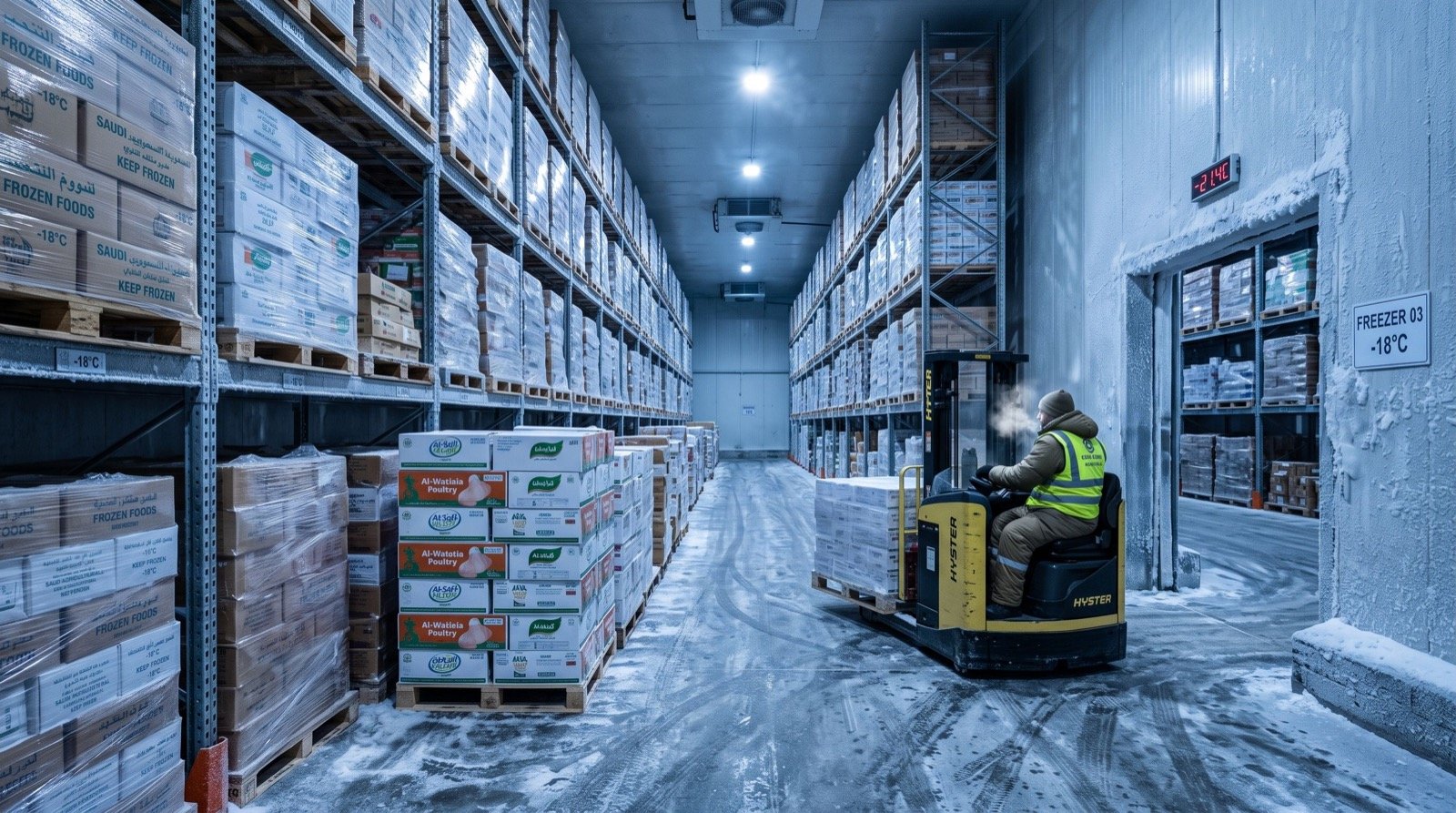
Specialist facilities fight these threats with climate control, sealed packaging, and clean handling zones. Businesses that use dedicated Storage for Electronics & Smart Devices keep humidity and temperature inside safe limits, which protects batteries, screens, and boards far better than a standard storeroom ever could.
The invisible enemies: heat, humidity, and static
Lithium batteries degrade faster in heat and can swell or fail if stored hot for long periods. Humidity corrodes solder joints and metal contacts. Static discharge, often invisible, can kill a chip instantly during careless handling. Controlling all three at once is the real job of electronics storage.
Best practices for storing smart devices
Good storage is a system, not a shelf. Follow these practices to keep devices in resale or working condition for the long term.
- Stable temperature: Aim for a cool, consistent range rather than wide daily swings.
- Humidity control: Keep relative humidity moderate to prevent condensation and corrosion.
- Antistatic packaging: Store boards and components in ESD safe bags and trays.
- Original boxes: Keep retail packaging where possible to protect screens and resale value.
- Partial battery charge: Store devices with batteries around half charge to extend their life.
For technical standards on materials and safe storage conditions, many operators reference guidance from the Saudi Standards, Metrology and Quality Organization, which shapes how imported electronics are handled and certified in the Kingdom. Aligning with recognised standards is a sign you are dealing with trusted professionals rather than a basic lockup.
Spare parts need their own storage strategy
Spare parts are the quiet backbone of any electronics or machinery business. A missing component can halt a repair, delay a build, or lose a sale. Yet parts often get dumped into unlabelled boxes until they corrode or go missing.
A structured approach to Storage for Spare Parts keeps components organised, traceable, and protected from the same heat and humidity that threaten finished devices. Clear labelling and climate control turn a chaotic store into a reliable resource your team can trust.
A practical tip from the repair bench
Barcode or tag every bin and map it to a simple inventory sheet before parts arrive, not after. Technicians waste hours hunting for a single connector when storage grows organically. A ten minute labelling habit at intake saves days across a busy year.
Electronics vs spare parts storage: a quick comparison
| Factor | Finished Electronics | Spare Parts |
|---|---|---|
| Main risk | Battery and screen damage | Corrosion and loss |
| Key control | Temperature and humidity | Organisation and labelling |
| Packaging | Original retail boxes | ESD bins and trays |
| Turnover | Faster, demand driven | Slower, held as backup |
How do you pick the right electronics storage provider?
Start by asking how the facility controls climate and whether it logs conditions around the clock. A provider that cannot show you real data on temperature and humidity is asking you to take its word on trust alone.
Next, look at handling and security. Trained staff, clean loading zones, and access control all protect high value stock. The same diligence you would expect from any team of trusted professionals applies here: transparent systems, careful processes, and a willingness to prove results rather than simply promise them.
Security, insurance, and stock accuracy
Electronics are high value and easy to resell, which makes them a target for theft. A serious storage provider treats security as a core feature, not an extra. Controlled access, surveillance, and logged entry protect your inventory around the clock.
Accurate stock records matter just as much. When every device and component is tracked at intake and dispatch, you avoid the silent losses that come from miscounts and misplaced items. Good storage for electronics in Saudi Arabia pairs physical protection with digital visibility, so you always know what you hold and where it sits.
- Access control: Limit who can enter storage zones and keep an audit trail of every visit.
- Insurance alignment: Confirm the facility’s conditions meet your insurer’s requirements for high value goods.
- Cycle counts: Run regular stock checks rather than one stressful annual audit.
- Serial tracking: Record serial numbers for warranty, returns, and theft recovery.
These controls become even more important as e-commerce grows across the Kingdom and inventory turns over faster. A provider that combines climate control with strong security and accurate records gives your electronics business a foundation it can scale on with confidence.
Frequently Asked Questions
What is the ideal humidity for storing electronics in Saudi Arabia?
A moderate, controlled relative humidity prevents both condensation and static buildup. Specialist facilities manage this actively, which matters most in coastal cities where high outdoor humidity accelerates corrosion on contacts and boards.
Can I store devices with their batteries installed?
Yes, but store them cool and at roughly half charge rather than full or empty. Heat and extreme charge states shorten lithium battery life, so a stable, climate controlled environment protects both the battery and the device.
How should spare parts be organised in storage?
Label and catalogue every bin at intake, then map it to an inventory system. Combining clear organisation with humidity control keeps parts traceable and protected, which saves time and prevents costly losses during repairs or builds.
Is specialist storage worth it for a small business?
Often yes. The cost of a single ruined batch of devices or corroded parts usually exceeds the price of proper storage. For sensitive, high value stock, professional conditions pay for themselves quickly.
Conclusion
Electronics reward care and punish neglect, and the Saudi climate raises the stakes in both directions. Smart storage for electronics in Saudi Arabia in 2026 means controlling heat, humidity, and static while keeping spare parts organised and traceable. Audit your current setup, match each item to the right conditions, and choose a provider that proves its control with real data. Ready to protect your inventory? Explore specialist electronics and spare parts storage today and keep every device ready to sell or repair.