
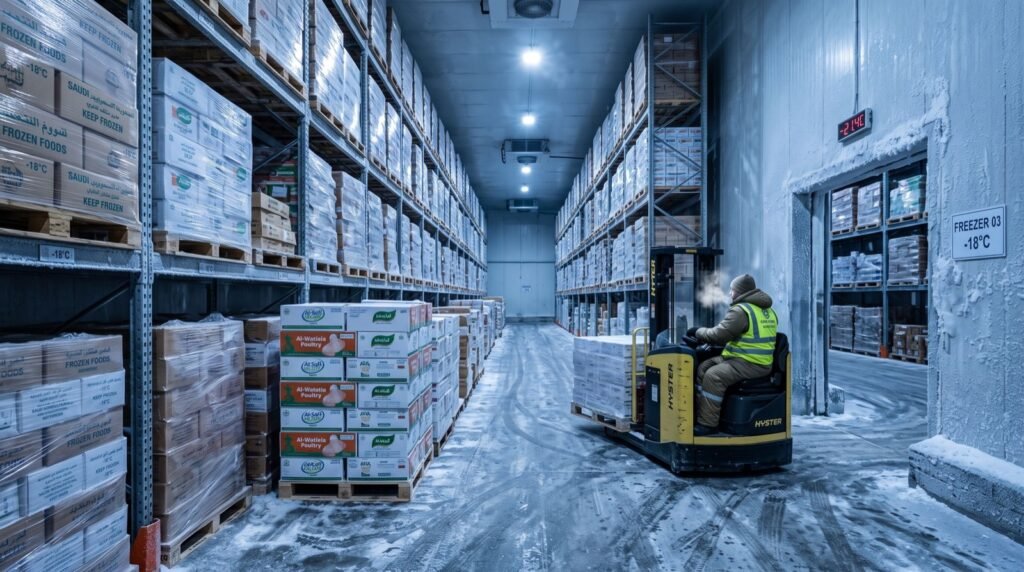
Business Storage Solutions in Saudi Arabia: Protecting Inventory in 2026
For retailers, workshops, and online sellers, business storage solutions in Saudi Arabia are no longer a back-office afterthought. They are a core part of keeping stock safe, orders flowing, and margins intact. As the Kingdom’s commerce sector expands, the companies that manage inventory well are the ones that scale without chaos.
This article focuses on the practical side of storing commercial goods, from smart devices to mechanical components. Whether you run a growing e-commerce brand or a spare-parts distributor, the principles below will help you choose space that protects your products and your cash flow.
Why Inventory Storage Decisions Matter More in 2026
E-commerce in Saudi Arabia has grown steadily, and the shift to digital retail tracked by the General Authority for Statistics means sellers hold more stock across more categories than ever. More inventory means more risk: tied-up capital, heat damage, theft, and the slow drain of disorganised shelves.
Smart storage reduces all of these. Instead of cramming products into a shop back room or a villa garage, businesses rent dedicated units sized and conditioned for their goods. The result is fewer write-offs and faster fulfilment.
The hidden costs of poor storage
- Heat-damaged electronics that fail quality checks
- Corroded or mislabelled parts that slow repairs
- Stock-outs caused by inventory no one can locate
- Insurance claims denied because goods were kept improperly
Matching the Unit to the Product
Different goods demand different conditions. A blanket approach wastes money on over-conditioned space or, worse, ruins sensitive items. Start by grouping your inventory into categories.
Electronics and smart devices
Phones, tablets, cameras, and IoT hardware are sensitive to heat, humidity, and static. Batteries in particular degrade fast in high temperatures. Dedicated Storage for Electronics & Smart Devices keeps these products in a stable, low-humidity environment so they arrive to customers in resale condition.
Mechanical and automotive parts
Spare parts face different enemies: moisture, dust, and disorganisation. Bearings rust, rubber seals perish, and a misfiled component can halt a repair job. Purpose-built Storage for Spare Parts combines dry conditions with shelving systems that make retrieval quick and accurate.
How to Set Up an Efficient Storage System
Renting the unit is only half the job. The layout and process you build inside it determine how fast you can pick, pack, and restock.
- Classify stock by turnover: fast movers near the entrance, slow movers at the back.
- Adopt a clear labelling and barcode system from day one.
- Record every unit location in a simple inventory sheet or app.
- Set reorder points so you restock before you run out.
- Schedule a monthly count to catch shrinkage early.
One field-tested insight: dedicate a small “returns and inspection” corner inside the unit. Separating returned items from sellable stock prevents the single most common fulfilment error, shipping a customer a product that was already sent back as faulty.
Storage Options Compared for Businesses
The table helps you weigh the trade-offs between common commercial storage types.
| Need | Recommended Unit | Key Benefit | Watch Out For |
|---|---|---|---|
| Smartphones, laptops, gadgets | Climate-controlled electronics unit | Protects batteries and screens | Humidity swings |
| Auto and machine parts | Dry, shelved unit | Prevents rust, speeds picking | Dust and poor labelling |
| Packaging and bulk supplies | Standard dry unit | Low cost per square metre | Overstacking and crush damage |
| Seasonal promotional stock | Flexible month-to-month unit | Scales up and down | Paying for idle space |
What Should You Look for in a Storage Partner?
Your storage provider effectively becomes an extension of your supply chain, so vet them carefully. Work with trusted professionals who understand commercial requirements, not just household boxes.
Questions to ask before you commit
- Do you offer the specific climate range my products require?
- What are the access hours, and can my delivery drivers get in?
- Is there loading equipment, and are there weight limits per shelf?
- What security, insurance, and fire protection are in place?
- Can I scale my space quickly during peak season?
Scaling Storage as Your Business Grows
The storage that suits a side hustle rarely suits an established brand. Planning for growth from the outset prevents painful, disruptive moves later when your operation is at its busiest.
Signs you have outgrown your current space
- Stock is stacked in aisles and blocking safe access
- Pickers waste time searching because shelves are overcrowded
- You routinely turn away bulk-buying opportunities for lack of room
- Returns and new stock share the same chaotic corner
The fix is not always a bigger single unit. Many businesses run a two-tier system: a compact, high-access unit for fast-moving bestsellers, and a larger, lower-cost unit for bulk and slow-moving lines. This keeps daily picking fast while bulk stock stays affordable.
Budgeting for peak season
Plan your storage spend around your busiest months, not your quietest. Negotiate the option to add temporary space before a sales peak and release it afterwards, so you never pay year-round for capacity you only need for a few weeks.
It also helps to review your storage mix once a quarter. Product lines change, suppliers shift, and the climate requirements you set a year ago may no longer fit today’s catalogue. A short quarterly check keeps you from quietly overpaying for the wrong type of space as your range evolves.
Frequently Asked Questions
What are the best business storage solutions in Saudi Arabia for small sellers?
Small online sellers usually start with a compact, flexible unit that can scale. Choose climate control if you stock electronics or cosmetics, and prioritise month-to-month terms so you are never locked into space you have outgrown or no longer need.
How do I store electronics safely in a hot climate?
Keep them in a temperature- and humidity-controlled unit, ideally between 18°C and 24°C. Store devices in original packaging, avoid floor-level placement, and never leave lithium batteries in uncontrolled heat, which shortens their life and creates a safety risk.
Can I use a storage unit as a fulfilment base?
Many businesses do, provided the facility allows regular access and deliveries. Confirm access hours, parking, and any rules on packing on-site before you plan your operations around a unit.
How often should I audit stored inventory?
A monthly cycle count is a practical minimum for most businesses, with a fuller audit each quarter. Regular counts catch shrinkage, prevent stock-outs, and keep your records accurate for accounting and insurance.
Conclusion
Strong business storage solutions in Saudi Arabia protect more than products; they protect your reputation and your margins. Group your inventory by sensitivity, match each category to the right unit, and build a disciplined labelling and audit routine from the start.
If stock is spilling out of your shop or workspace, now is the time to act. Explore dedicated commercial units, lock in flexible terms for peak season, and give your inventory the secure home your growing business deserves.